News | Community & Upcoming Interviews
By Wiingashk “Wiing” Courchane
Interview scheduled for Thursday, November 5, 2026. Airtime to be announced.
A Conversation That Starts With Home
Before we get into companies, capital, or a possible casino partnership, I want to start somewhere closer to home. What would any of this mean for the people who live here? Not in a presentation. Not in a photograph from a meeting. In the ordinary parts of a week, when somebody needs work, a family is making a budget, or a young person is deciding whether the future they want can happen in Montana.
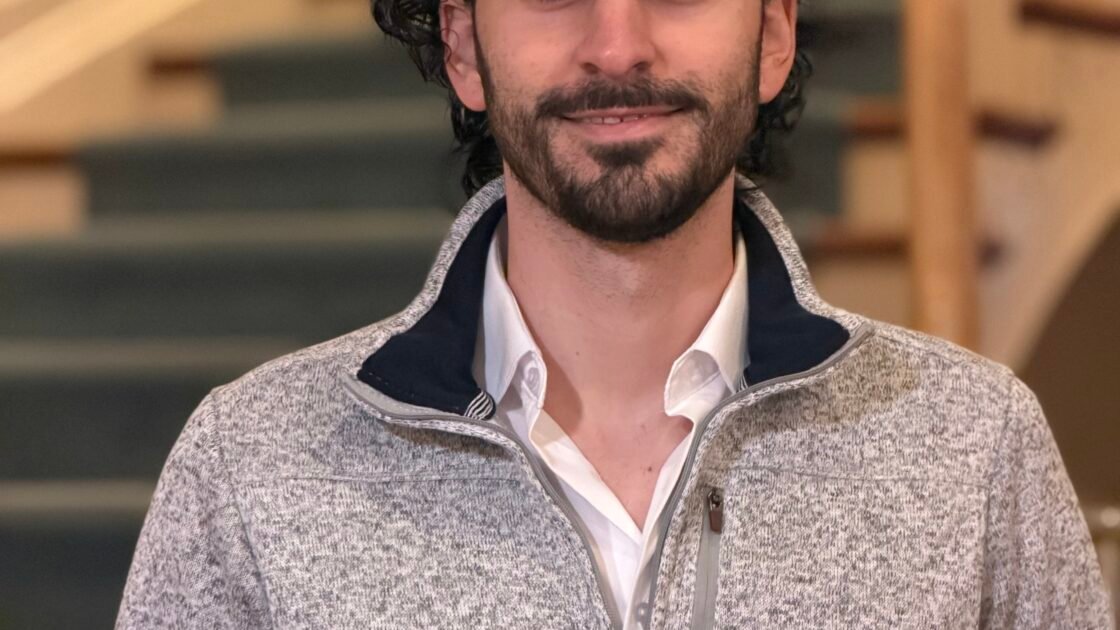
That is the spirit of our upcoming KHEW 88.5 FM interview with Nikali Jordan, scheduled for Thursday, November 5, 2026. We will talk about the organizations connected to his work, the interests he hopes to bring to Montana, and the questions our community deserves to ask before possibility turns into a plan. The broadcast time has not yet been announced. This is a preview of that conversation, not an announcement of an approved development.
There is room to be curious without being convinced. There is room to welcome a guest without handing him the answers. And there is room to talk about investment while keeping the Chippewa Cree people, our priorities, and our right to make our own decisions at the center. That is the interview I want to have. Something open enough for a real person to come through, and specific enough that listeners leave knowing more than they did before.
Who Is Nikali Jordan? Start With the Work, Then Ask About the Person
The simplest introduction is that Nikali Jordan is the guest KHEW plans to speak with about business, knowledge sharing, and possible community investment. The interview briefing connects him with Nik Corp, Achillis VC, Nikali.org, and the Neyius family office, and identifies a Meridian East Energy board appointment as another topic. Those connections give us a starting list of questions. They do not replace a verified biography, a formal job title, or an explanation of who can authorize what.
Readers can visit his personal website, NikaliJordan.com, alongside the organizations linked throughout this story. In the interview, I want him to explain the map in his own words. Which organizations does he lead? Where does he advise? Where does he hold a board seat? Which commitments can he make himself, and which require decisions from other people? A name appearing beside several businesses can sound impressive. Understanding the responsibilities behind those names is more useful.
Then I want to get past the introduction. What does he notice first when he visits a community? What has changed his mind about a project? When has somebody local told him his idea would not work? Those are not trick questions. They are a way of learning how a person listens. A good interview should leave room for ambition, but also for an honest account of limits, mistakes, and the people whose experience helped shape the work.
Nik Corp: What Community Investment Looks Like on the Ground
Nik Corp describes its work around communities undergoing economic transition, including preserving homes, revitalizing distressed properties, and developing places people need. Its public materials also describe neighborhood projects and affordable housing. That is a more concrete starting point than a broad promise to transform somewhere. Buildings have addresses. Housing has costs. Development has a timeline. People can ask whether the finished work actually serves the people who were there before the project started.
For Montana, I want to ask what parts of that approach Jordan believes could translate here, and what would have to change. A method that makes sense in one place does not automatically fit another. Who would identify the need? Would the first conversation be about housing, a business property, hospitality, or something else? Would local workers and contractors have a meaningful opportunity to participate? And what would count as a reason not to proceed?
The phrase community investment should carry more weight than a good-looking building. I want to hear how Nik Corp thinks about affordability over time, maintenance after construction, and the difference between improving a place and making it harder for existing residents to remain there. We can ask those questions without assuming a Montana project already exists. Right now, the useful story is the approach he would propose and whether people here see value in it.
Achillis VC: Follow the Capital, Not Just the Pitch
Achillis VC is another name in the interview briefing, and its website is included here so listeners can follow up directly. Its public content could not be retrieved for this preview, so I am not attaching a portfolio, investment total, or record of returns to the name. Instead, the interview needs to establish the basics. What is the organization? What does it invest in? What is Jordan’s role? What kinds of founders or businesses should consider contacting it?
If the conversation turns to Montana entrepreneurs, I want to make it practical. Is he interested in existing small businesses, early ideas, technology, property, or a different category altogether? Would an applicant need to give up ownership? Would the organization provide money, advice, introductions, or some combination? How are decisions made? A person should not have to speak investor language just to understand whether an opportunity is relevant to them.
There is a bigger question underneath those details. Can a business grow without losing the people and purpose that made it worth building? I want Jordan to describe how he thinks about that tension. Local ownership should not become an afterthought once a pitch gets exciting. If there is a genuine route for Montana businesses to work with Achillis VC, the audience deserves a clear explanation of the route, the risks, and the expectations on both sides.
Nikali.org: Making Room for What People Know
Of all the topics on the list, Nikali.org offers one of the most human starting points. The website describes itself as a free library of human experience, preserving and sharing practical knowledge, personal experiences, stories, and lessons from real people. Its about page expresses a simple belief: what people learn over a lifetime should not disappear when they are gone. That idea is easy to understand without a business background.
Think about how much knowledge sits outside a formal résumé. Somebody knows how to repair something with the tools available. Somebody understands how to keep a household moving through a hard season. Somebody has learned how to start again after a setback and can explain what actually helped. A platform built around experience could make room for that kind of knowledge. The important question is whether the people sharing it remain respected, understood, and in control of their participation.
For our listeners, I want to ask Jordan how Nikali.org chooses, reviews, and presents contributions. Who gets credited? Can contributors correct their words or ask for material to be removed? How does the platform distinguish a personal experience from advice that needs professional review? A library can be generous without pretending every entry is universal. Making knowledge accessible should also mean giving readers enough context to understand where it comes from and what its limits are.
Sharing Knowledge Does Not Mean Sharing Everything
When the conversation involves Native communities, there is another question that cannot be skipped. Who decides what should be shared publicly? Not every story belongs online. Not every lesson is available for an outside organization to collect. Some knowledge belongs within a family, a community, or a particular relationship. An invitation to contribute is not the same thing as permission to publish whatever a platform finds interesting.
I want to ask how Nikali.org would approach a community that sets boundaries, including a decision not to participate. Would people have a say in how their words are edited, categorized, or promoted? Would the site explain what happens to submitted material? How would it handle a contribution that includes somebody else’s story? These are editorial questions, but they are also questions about respect. Good intentions do not make consent unnecessary.
There is a hopeful version of this conversation. A person who has never thought of themselves as an author could see that their experience has value. A younger reader could find something useful in a life very different from their own. But the hopeful version depends on care. I want Jordan to talk about the systems behind the idea, not just the idea itself. If the purpose is preserving human experience, the humans should never become the least considered part.
Neyius: Understanding the Family Office Behind the Conversation
Neyius publicly identifies itself as the private family office of entrepreneur Courtney Jordan. Its website describes active ownership across textiles, energy, media, hospitality, and digital platforms, alongside a focus on stewardship and long-term impact. The interview briefing identifies Courtney Jordan as Nikali’s father. That family relationship and Nikali’s authority to represent any particular Neyius proposal should be confirmed directly in the interview rather than assumed from a shared surname.
For listeners, the important question is not whether family office sounds substantial. It is what the organization would actually do here. Would Neyius invest its own capital? Would it bring operating partners? Would it provide financing, development services, or introductions? Which legal entity would be involved? Who would be accountable for commitments made in a meeting or on the radio? Those details help distinguish a serious proposal from a conversation that has not yet become one.
The website’s emphasis on long-term stewardship gives us something useful to ask about. How does that philosophy show up when a project takes longer than expected or produces less money than hoped? What does patience mean in a written agreement? I want to hear a plain-language explanation, not just an attractive phrase. If an organization says it thinks across generations, it should be ready to discuss what that means for the generation living with its decisions right now.
A Possible Casino Partnership: The Community Comes Before the Headline
The interview briefing says Neyius is interested in exploring ways to help the Cree people start or partner in a casino. That is a proposed discussion topic, not confirmation of a deal. This preview does not establish that tribal leadership has approved a project, that land has been selected, that financing is committed, or that any required permissions exist. We should keep those distinctions clear from the beginning, especially when the subject carries this much public interest.
I want to ask Jordan what has actually happened so far. Has there been a formal invitation to discuss the idea? Which authorized representatives, if any, are involved? Is the proposal about developing something new, partnering with an existing operation, or considering options that have not been defined? He should also explain what role he expects Neyius to play. Investor, lender, developer, adviser, and operator are different responsibilities. The audience should not have to guess which one is being proposed.
There is no useful version of this conversation where an outside guest speaks as though the community’s decision has already been made. The people who would live with the outcome deserve more than a finished pitch. They deserve time, information, and a meaningful chance to question the premise. I want the interview to respect that. Curiosity about a possible project is not consent to it, and a radio appearance is not a substitute for the community’s own decision-making processes.
Jobs, Ownership, and the Questions Behind the Numbers
If a casino proposal becomes more specific, the first questions should not stop at how many jobs somebody hopes to announce. What kinds of jobs? At what pay? With what training, benefits, and opportunities to advance? Would local people move into management and decision-making roles, or mostly fill entry-level positions? Would local businesses have a fair opportunity to supply goods and services? Promises become more meaningful when people can see how the opportunities would actually reach them.
Ownership matters just as much. Who would own the assets? Who would receive income, and in what order? What fees would outside partners collect? Who would carry losses, debt, or unexpected costs? I am not suggesting answers before there is a proposal to examine. I am saying those are reasonable questions for anyone asked to support a major business relationship. If the response is that the details are too complicated for listeners, then the explanation needs more work.
We should also talk about impacts beyond the building. What would the partners do to understand community concerns? How would they plan for infrastructure, staffing, and ongoing oversight? What resources would be available for people worried about gambling-related harm? An honest conversation leaves room for someone who wants the opportunity, someone who is uncertain, and someone who opposes it. A project does not become community-centered by making only its supporters comfortable enough to speak.
Meridian East Energy: What a Board Appointment Would Mean
The interview briefing also identifies an appointment to the board of Meridian East Energy. The company’s website could not be retrieved for this preview, and I could not independently confirm the appointment, its effective date, or the precise board role. That means the responsible next step is to ask for the announcement and an explanation, not to invent a title or connect the company to a Montana project it has not publicly described here.
In the interview, I want Jordan to explain what Meridian East Energy does, where it operates, and what responsibilities he would hold. Is the appointment to a corporate board, an advisory body, or another structure? What expertise is he expected to contribute? What decisions would fall within his authority? A board appointment can tell us something about a person’s responsibilities, but only if we understand the organization and the role behind the announcement.
If Montana enters that discussion, we will ask what is real and what is only an area of interest. Is there a specific proposal, a preliminary conversation, or no local project at all? What would any future activity ask of the people and places affected by it? Energy deserves precise language. We should not imply a connection between a board position, a casino discussion, and local development simply because those topics appear in the same interview.
What Will He Do for Montana? Ask for the First Step
The question in the headline behind all of this is straightforward: what does Nikali Jordan hope to do in Montana? I want an answer that starts with a first step rather than a sweeping promise. Who would he meet? What would he listen for? What work would happen before money, property, or a partnership became part of the conversation? If the answer is still being developed, he can say that. An honest starting point is more useful than a finished-sounding answer without a foundation.
I also want to ask what would make him walk away. Not every idea should become a project. A community might identify a different need. The economics might not work. The proposed arrangement might put too much risk on local people. There might simply be no invitation to continue. Being able to recognize those limits would tell listeners something important about his approach to partnership. Respect is easier to promise when everybody agrees. It becomes more visible when the answer is no.
For people listening from elsewhere in Montana, these questions matter beyond one conversation. Business stories often move quickly from an introduction to a claim about transformation. I would rather stay with the middle part: the meetings, the evidence, the disagreements, and the choices. That is where people find out whether an opportunity belongs in their lives. It is also where a guest can show that he understands the difference between arriving with resources and arriving with authority.
The Person Behind the Organizations
There will be room for the person in this interview, too. I want to know what kind of work holds Jordan’s attention when there is no announcement attached. What does he read? Whose advice does he take seriously? What has he learned from somebody who had no title at all? Those questions can sound lighter than a discussion about capital, but they often reveal how a person understands responsibility.
With a family office in the background, I also want to ask how he separates inherited access from earned trust. What doors were easier for him to open, and what does he believe that access requires of him? There is no need to turn the question into either praise or accusation. It is a fair part of understanding somebody whose work may bring them into contact with communities that have their own priorities, histories, and leadership.
The most interesting answer might not be the most polished one. It might be a moment when he pauses, corrects an assumption, or says he needs to learn more. I want listeners to hear a conversation, not a performance of certainty. We can ask serious questions without forgetting that the person answering is a person. We can be welcoming without being uncritical. That balance is the whole point.
What We Will Look For After the Interview
An interview can make an introduction. It cannot do the work that comes afterward. If Jordan describes a next step, I want listeners to be able to recognize it when it happens. That might mean a published explanation, an identified contact, a meeting arranged through the appropriate representatives, or a decision that an idea needs more work. Whatever the step is, it should be specific enough that people do not have to rely on memory or enthusiasm to understand it.
I also want to distinguish an aspiration from a commitment. Saying an organization is interested in Montana is not the same as committing money. Saying a project could create jobs is not the same as offering employment. Saying a partnership is possible is not the same as having an agreement. Those distinctions are not designed to cool the conversation down. They make it possible to have a warmer, more trusting conversation because nobody has to wonder which kind of statement they just heard.
There is a responsibility on our side of the microphone as well. If a detail changes, the coverage should change with it. If a claim cannot be confirmed, it should not become more certain through repetition. If an answer leads to another reasonable question, we should ask it. Listeners deserve that consistency whether the news turns out to be exciting, complicated, disappointing, or simply unfinished.
That is how I want this preview to age: as a record of the questions that mattered before anybody knew the outcome. A good opportunity can stand up to patient attention. A proposal that needs revision should have room to improve. And a community should never feel rushed into agreement because the introduction sounded good on the radio. We will listen for substance, keep the categories clear, and remember that accountability is not the opposite of welcome. It is one way of making a welcome meaningful. The follow-up matters because people here will still be here after the interview ends on Thursday.
Bring Your Questions to KHEW
This interview should not be built only from the questions I would ask. If you live here, have family here, work here, or care about the future of the Chippewa Cree community, there is room for your question, too. Maybe you want to understand the casino discussion. Maybe housing is more immediate for you. Maybe you have a question about Nikali.org, business ownership, the energy company, or how outside organizations should approach local leadership.
Use the form below to send a question to the KHEW team at ask@khew.org. Your name is optional, and you can tell us whether you are comfortable having it mentioned on air. You can also request that we use only the question. Please avoid including financial account details, medical information, private family stories, or anything you would not want considered for broadcast. If a question involves someone else, leave out identifying details unless they are necessary and appropriate.
Submitting a question does not guarantee it will be read. Similar questions may be combined, and wording may be shortened for time or clarity. But the point of inviting them is real: the people affected by a conversation should have a way into it. The form is for interview questions, not investment applications, confidential disclosures, or official tribal decisions. If something needs a different channel, we will not pretend a radio inbox can replace it.
Prefer email? Email your question to ask@khew.org.Ask a Question for the Nikali Jordan Interview
Thursday, November 5: Listen With Us
Our conversation with Nikali Jordan is scheduled for Thursday, November 5, 2026, on KHEW 88.5 FM. Watch KHEW.org for the broadcast time and any schedule updates. Until then, the linked websites offer starting points for learning about the organizations we plan to discuss. They are not a substitute for the answers we want to hear directly, and linking an organization does not mean KHEW endorses an investment or proposal.
What I hope listeners take from the preview is not a prediction about what Montana will receive. It is a sense of what we intend to ask. Who is involved? What is being proposed? What remains undecided? Who carries the risk? Who gets to say yes, and who gets to say no? Those questions leave room for opportunity without treating caution as a lack of ambition.
We can be interested in what a guest brings and still be clear about what belongs to us: our questions, our judgment, and the right to decide what a good partnership would look like. That is the spirit I want in the room next Thursday. Not a sales pitch dressed up as a conversation. A real conversation, with a guest, a microphone, and the people of this community at the center.
Explore the Websites Before the Interview
Editorial note: Organizational descriptions are attributed to public website materials. The casino discussion, family relationship, company affiliations, and board appointment are interview topics supplied in the booking brief, not independently confirmed announcements. This preview will be updated if confirmed details change.